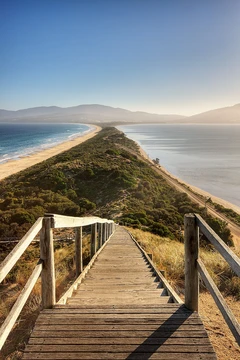
Kamchatka Peninsula
Volcanic peninsula in the Russian Far East, part of the Ring of Fire.

via Wikipedia: Koryaks · see source
- Location
- Russian Far East
- UNESCO Site
- Volcanoes of Kamchatka
Lore & Background
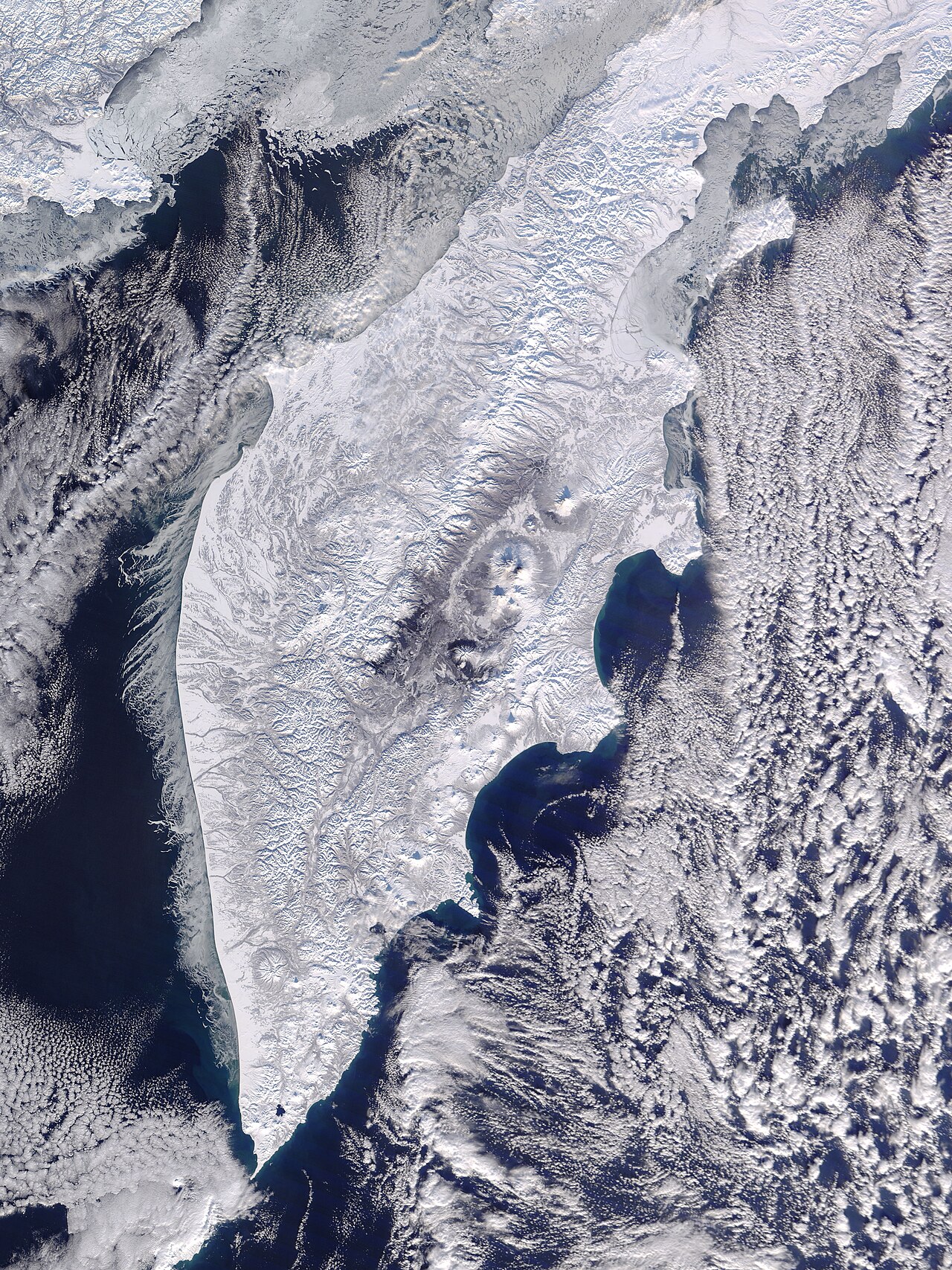
The Kamchatka River rises northwest of Avacha and flows north through the valley, turning east near Klyuchi to enter the Pacific at Ust-Kamchatsk. Summers are moderately cool, winters stormy, and snow covers the peninsula from October to late May. The capital, Petropavlovsk-Kamchatsky, and nearby Yelizovo house more than half the inhabitants. Roads connect the capital to Ust-Kamchatsk and Bolsheretsk, with bus service available. Prior to Russian exploration, the peninsula was inhabited by Chukotko-Kamchatkan peoples including the Itelmen, Koryak, and Alyutor, with the southern tip also being the northernmost extent of Ainu settlement.
Reader's Guide
The peninsula's climate, transitional between Siberian hypercontinental and Aleutian subpolar oceanic, supports unique ecosystems, including hot springs that preserved species through the last ice age. Its biodiversity and volcanic landscapes attract tourists year-round, with summer temperatures of 15–20 °C and growing winter sports. The region also holds cultural importance as the homeland of the Koryak and other indigenous peoples, and its history of Russian exploration from the 17th century onward shaped its current political status as part of Kamchatka Krai. The peninsula's remote location and sparse population—over half concentrated in Petropavlovsk-Kamchatsky—underscore its role as a frontier area for scientific research and natural heritage conservation.
Did You Know?
- The Koryak people, who live immediately north of the Kamchatka Peninsula, are culturally similar to the Chukchis of extreme northeast Siberia.
- The Koryak language and Alutor are linguistically close to the Chukchi language, all members of the Chukotko-Kamchatkan language family.
- A smallpox epidemic in 1769–1770 and warfare with Russian Cossacks reduced the Koryak population from 10-11,000 in 1700 to 4,800 in 1800.
- The Koryak are split into two groups: coastal Nemelan (village dwellers) who fish and hunt marine mammals, and inland Chaucu (rich in reindeer) who are nomadic reindeer herders.
- According to the 2010 census, there were 7,953 Koryaks in Russia.
Volcanic Genesis & Multi-Factor Shaping
Kamchatka Peninsula, like the Alaskan Peninsula cited in geological literature, owes much of its existence to volcanic activity. When magma erupts in proximity to water—particularly shallow water—it can build landforms that extend from the mainland while remaining connected on only one side, creating the classic peninsula shape. However, no single geological process operates in isolation. The formation of any given peninsula, including those in the far eastern reaches of the Eurasian landmass, may involve a combination of factors: continental drift, marine sediment accumulation, marine transgressions, and volcanic eruptions all working in concert over vast stretches of time. For Kamchatka, the interplay of volcanic construction and the surrounding marine environment means that its outline is not a static monument but a product of layered geological forces, each adding or subtracting material from the landform's edges.
"Almost Island" — Etymology & Definition
The very name "peninsula" carries a poetic truth that applies directly to Kamchatka. Derived from the Latin paeninsula, a compound of paene meaning "almost" and insula meaning "island," the term captures the essential character of this landform: a territory that is nearly, but not quite, an island. The word entered English usage in the 16th century, long after the land itself had taken shape. By definition, a peninsula is a piece of land surrounded on most sides by water yet connected to the mainland on only one side. Kamchatka fits this description precisely, though the definition allows for flexibility: the surrounding water need not be an ocean or sea, and a peninsula may be bordered by more than one body of water. The connection to the mainland can take the form of an isthmus, as the Isthmus of Corinth links the Peloponnese to Central Greece. In Kamchatka's case, that single terrestrial tether to the broader continent is what distinguishes it from a true island, preserving its identity as an "almost island" jutting into the surrounding seas.
Shelter, Sustenance & Strategic Position
Peninsulas have long served as natural refuges for human populations, and Kamchatka's geography reflects this ancient advantage. The landform provides a unique dual access: inhabitants can hunt both terrestrial and marine animals from a single vantage point, a combination that made peninsular locations attractive to prehistoric humans and even Neanderthals seeking shelter. Beyond subsistence, peninsulas have historically functioned as markers of national borders, their distinctive outlines making them natural boundaries between territories. Their strategic value extends into commerce as well. Because a peninsula connects to the mainland through a narrow isthmus while opening onto water on all other sides, it becomes a node where overland and maritime trade routes converge. Kamchatka, with its single connection to the continental interior and its broad exposure to surrounding waters, occupies a similar strategic niche at the far edge of the Eurasian landmass, bridging land-based and sea-based movement.
A Shifting Shoreline — Transgressions & Climate Pressure
No peninsula is a permanent fixture. Marine transgressions—shifts in sea level—can both create peninsulas and reshape existing ones. A rise in water level can cause a peninsula to become an island, while wet weather temporarily makes the landform appear smaller and dry weather makes it seem larger. These fluctuations mean that Kamchatka's coastline has never been a fixed line but a dynamic boundary, breathing with the tides and the seasons. Looking forward, the threat grows more permanent: sea level rise driven by global warming is expected to permanently reduce the size of some peninsulas over time. For a landform already defined by its "almost island" character, this erosion of the narrow connection to the mainland represents a fundamental threat to its identity. The geological processes that built Kamchatka—volcanic eruptions near shallow water, sedimentary deposition, tectonic movement—operated over millennia, but the pace of modern sea-level change compresses that timeline dramatically, making the peninsula's future outline a question of both geology and climate.
Gallery
Frequently Asked Questions
Who is Kamchatka Peninsula?
Kamchatka Peninsula is a 1,250-kilometre stretch of land in Russia's Far East, flanked by the Sea of Okhotsk to the west and the Bering Sea to the east. Along with the Commander Islands and Karaginsky Island, it constitutes the administrative region of Kamchatka Krai.
What are Kamchatka Peninsula's powers/role?
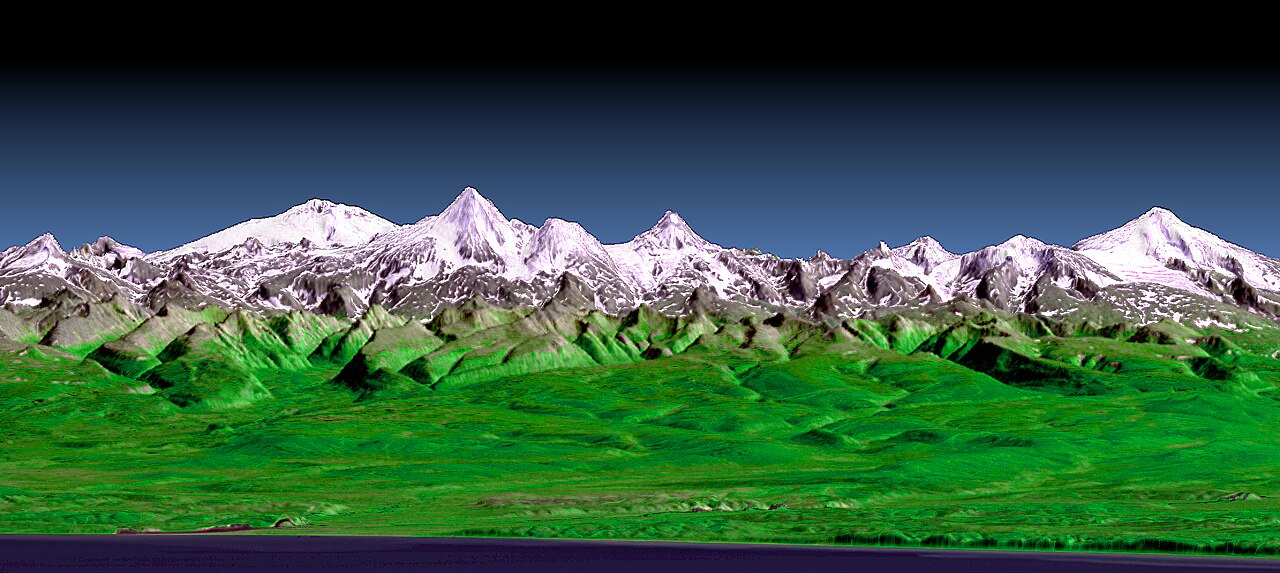
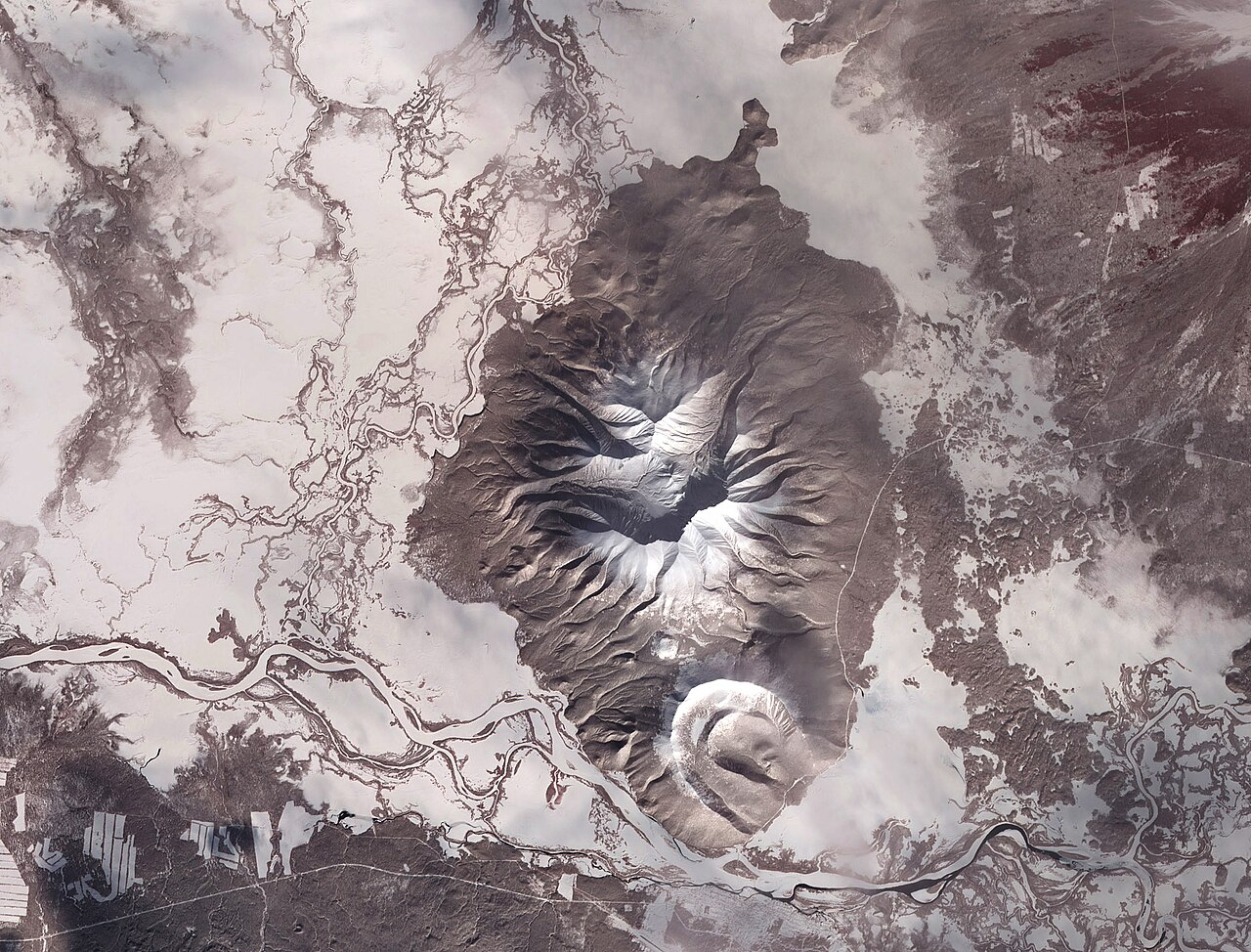
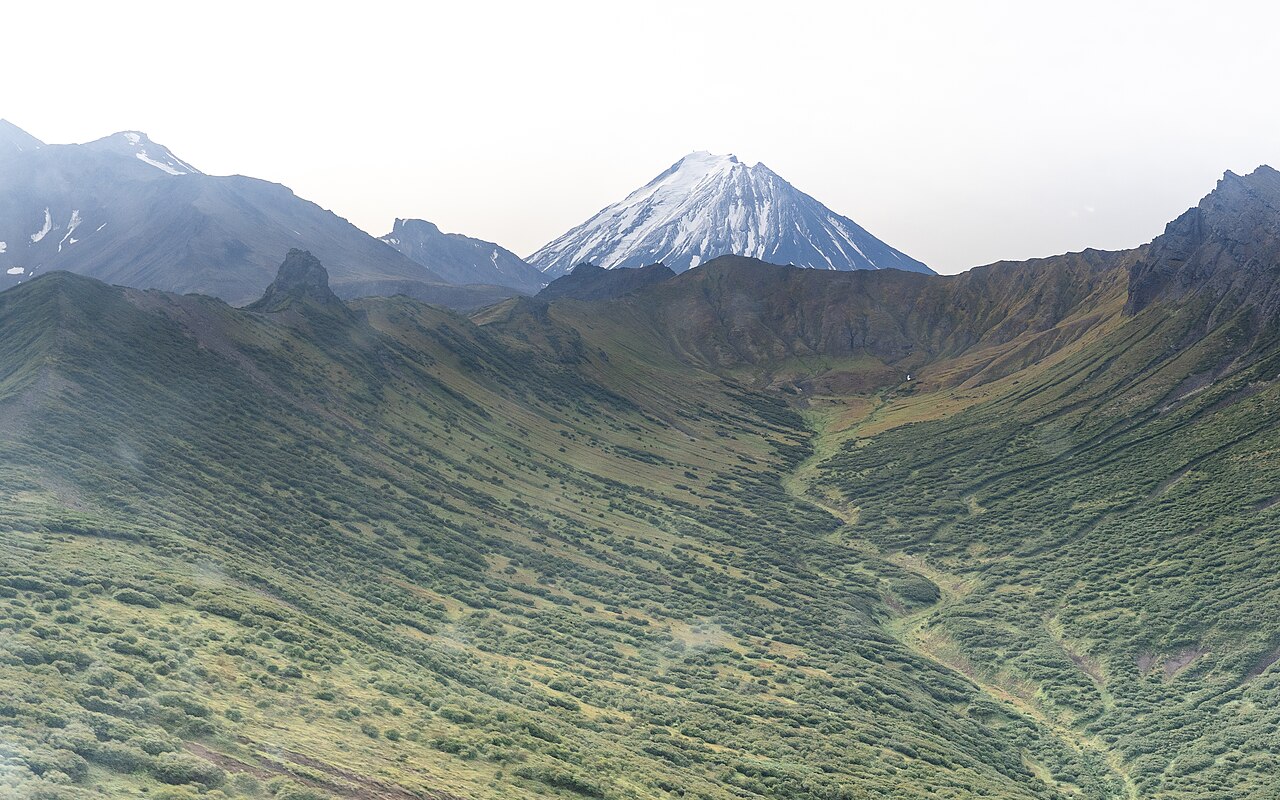
Sitting deep within the Pacific Ring of Fire, the peninsula harbours roughly 29 active volcanoes, making it one of the most volcanically intense zones on the planet. Its crown jewel, Klyuchevskaya Sopka, soars to 4,750 metres and continues to erupt periodically.
How does Kamchatka Peninsula's story end?
As a permanent landform, Kamchatka has no narrative conclusion, but its ongoing 'plot' is driven by relentless tectonic and volcanic activity along the Kuril–Kamchatka Trench just offshore. The landscape keeps reshaping itself, so the story is never truly finished.
Why is Kamchatka Peninsula important?
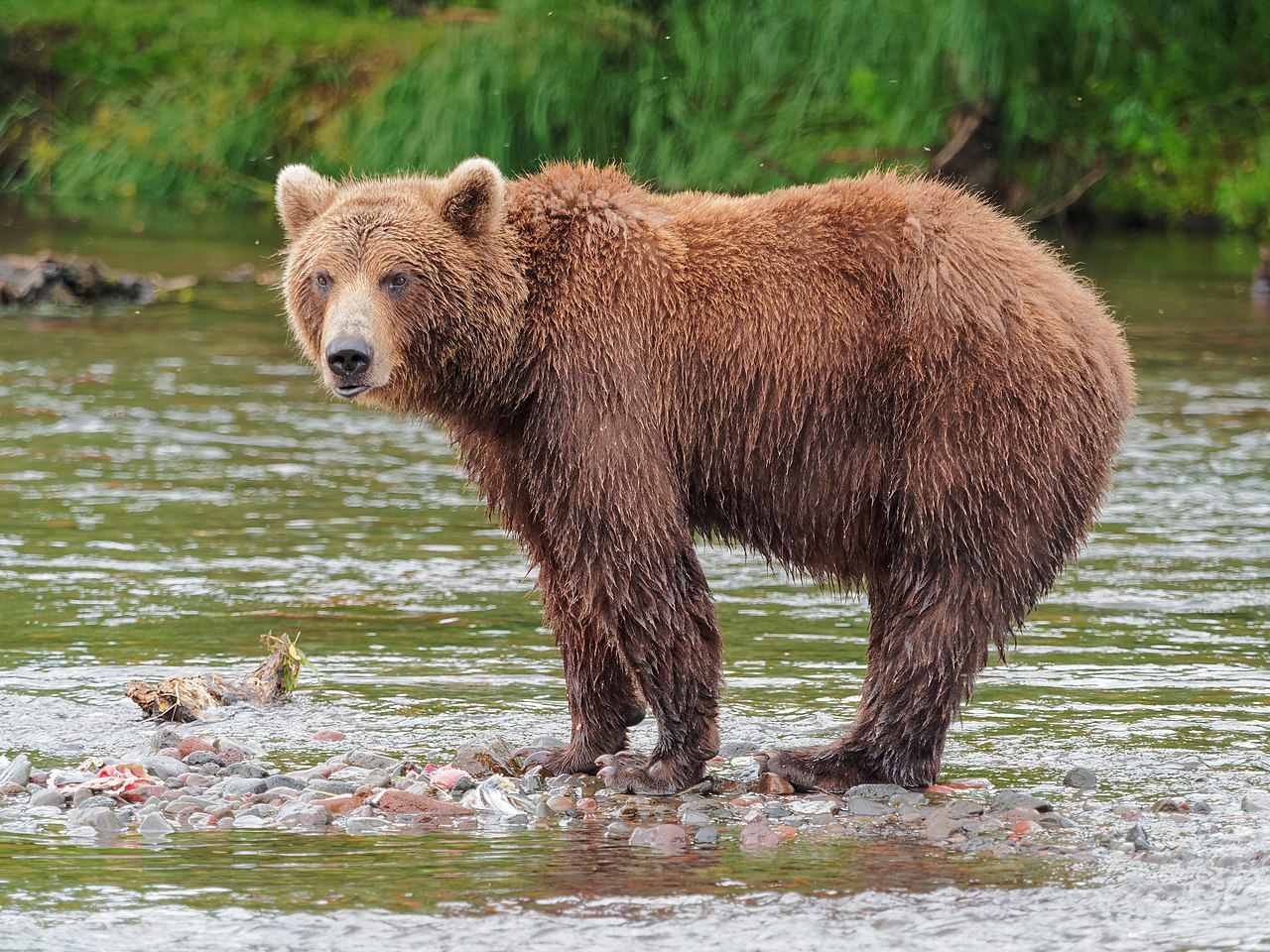
Its extraordinary volcanic peaks earned the Volcanoes of Kamchatka a UNESCO World Heritage Site designation for their global geological and ecological value. The region also shelters one of the densest populations of brown bears and sea otters anywhere on Earth.
Where is Kamchatka Peninsula's home base?
The peninsula occupies the Russian Far East, spanning roughly 270,000 square kilometres with Petropavlovsk-Kamchatsky as its largest settlement at around 180,000 residents. Its total population of approximately 322,000 makes it one of the most sparsely inhabited areas in the country.
More in Peninsulas And Isthmuses 1-24
Spotted an error? Know more?
This is a living reference — every entry is fact-audited, and reader corrections feed straight into our audit queue. Suggest an edit · See this site's audit record